Beyond the Andes: A Traveler’s Guide to the Peruvian Jungle for Curious Explorers
If you think Peru is only about mountain ranges, snow-capped peaks, and Inca stone, you are missing half the map. Crossing the ridge of the Andes toward the east, the landscape changes abruptly: the air becomes warm and humid, the grey hills transform into an endless green sea, and the sound of water sets the rhythm of life.
The Peruvian jungle (covering regions like Madre de Dios, Loreto, Ucayali, and the high jungle of Cusco) is one of the places with the highest biodiversity on the planet.
If you are planning your travel route or want to learn more about this fascinating Amazonian territory, these are the key themes and must-visit routes that every traveler should know:
🐒 1. Biodiversity and Wildlife: What Animals Can You See?
The Peruvian Amazon is home to thousands of species that exist nowhere else on earth.
-
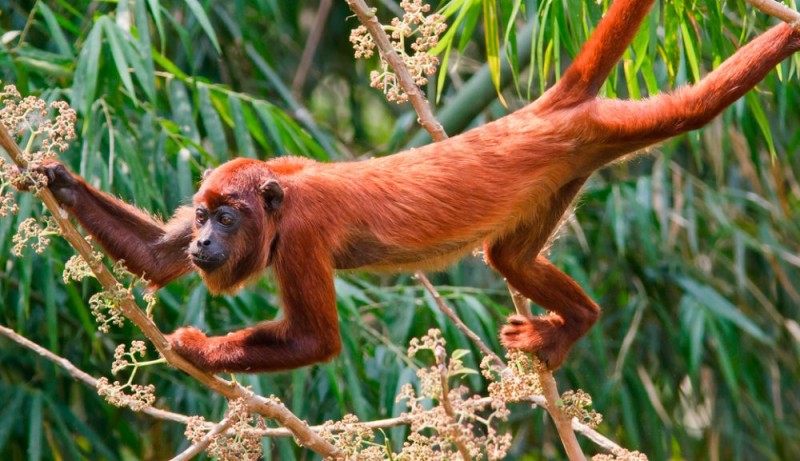
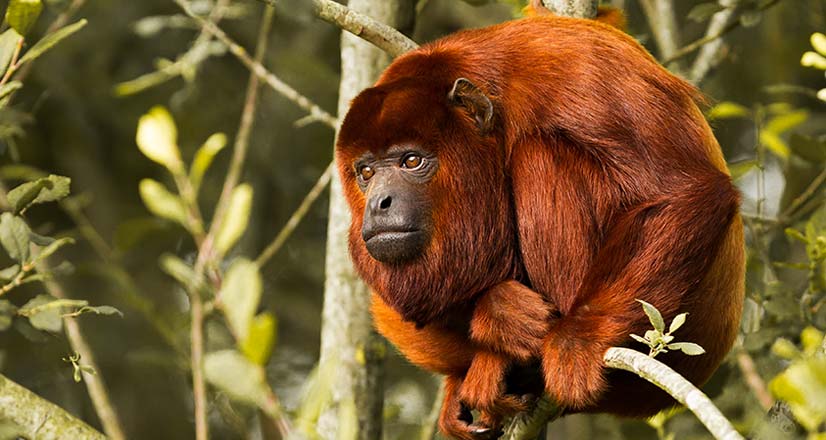
The kingdom of primates: From the tiny pygmy marmoset (the smallest monkey in the world) to playful woolly and squirrel monkeys.
-
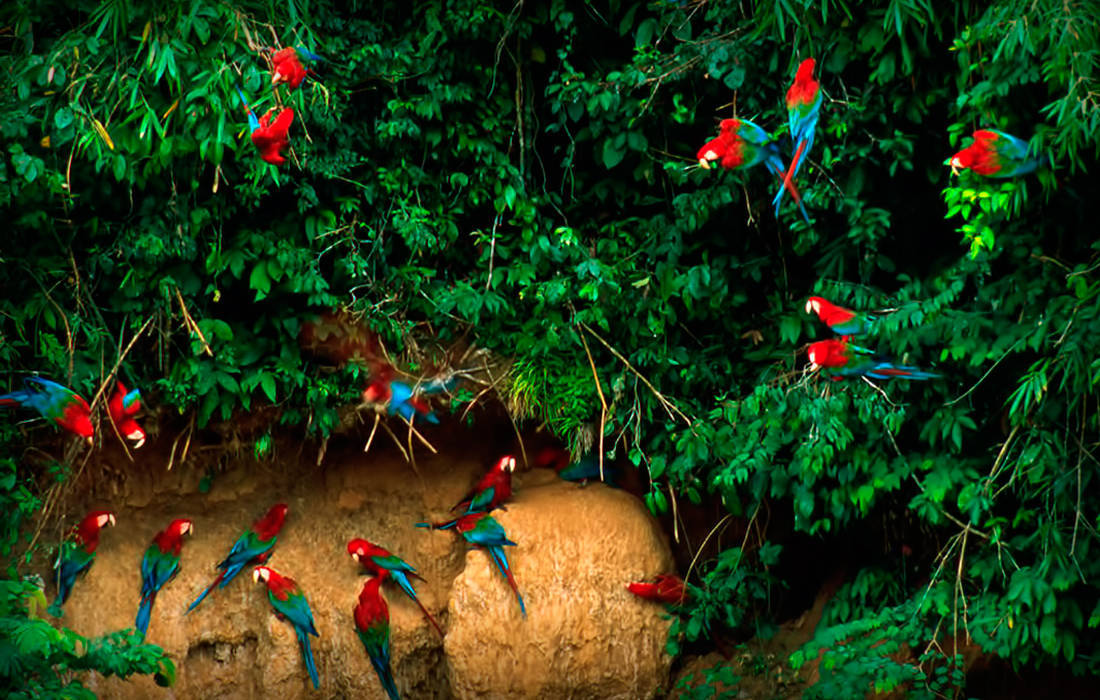
The land of macaws (Clay Licks): In areas like Manu National Park or Tambopata National Reserve (Madre de Dios), there are famous collpas (clay cliffs where hundreds of macaws and parrots gather in the mornings to eat minerals). It is one of the most astonishing natural spectacles in the world.
-
The jaguar and anaconda: The apex predators of the jungle. Spotting them requires luck and guided expeditions deep into the reserve, but their tracks are always there, reminding you who rules the thicket.
🛶 2. High Jungle vs. Low Jungle? (Key Differences for Your Trip)
Geographically, the Peruvian Amazon is divided into two very distinct worlds:
-
High Jungle (Selva Alta / Cloud Forest):
-
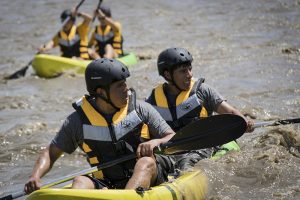
What is it like? It sits closer to the Andes (between 500 and 3,500 meters above sea level). It features beautiful valleys, canyons, rushing rivers, and crystal-clear waterfalls.
-
Top destinations: Oxapampa, Chanchamayo (Junín) or Quillabamba (Cusco).
-
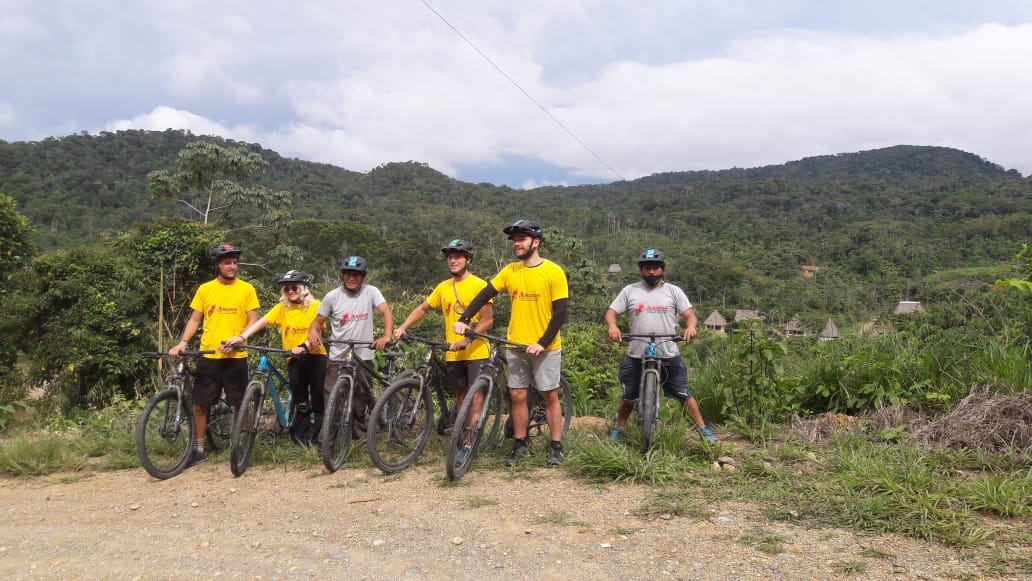
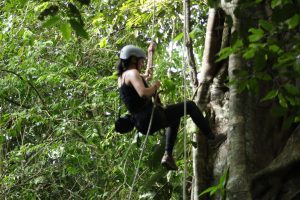
Ideal for: Lovers of trekking, high-altitude coffee, adventure, and green mountainous landscapes.
-
-
Low Jungle (Selva Baja / Deep Amazon):
-
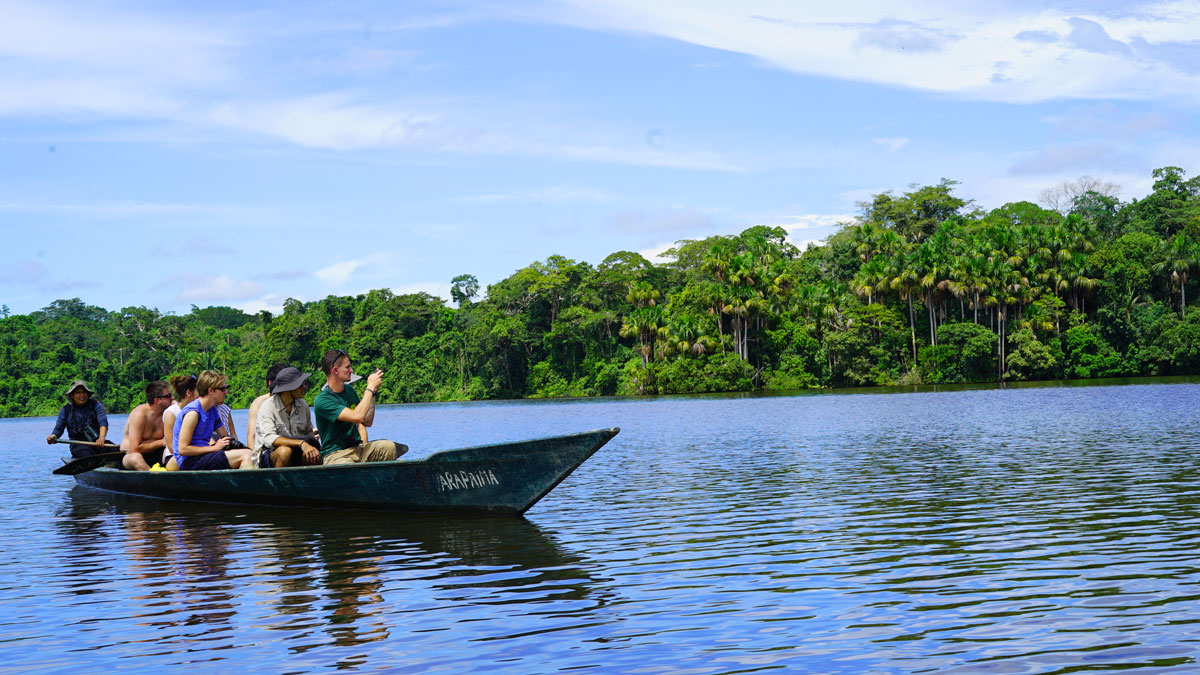
What is it like? The classic Amazonian plain (below 500 meters above sea level). The heat is intense, the rivers are gigantic, wide, and muddy (like the Amazon or Madre de Dios rivers), and flooded forests abound.
-
Top destinations: Iquitos (Loreto) and Puerto Maldonado (Madre de Dios).
-
Ideal for: Boat navigation, wildlife watching, jungle lodges, and deep connection with native communities.
-
🛖 3. Living Culture and Amazonian Traditions
The jungle is not just pristine nature; it is the ancestral home of dozens of indigenous ethnic groups (such as the Matsigenka, Shipibo-Conibo, and Ese Eja) who have preserved an intimate, respectful relationship with the forest.
-
Ancestral Medicine and Ayahuasca: The jungle is the epicenter of traditional botanical wisdom. The use of master plants and rituals led by local shamans attracts travelers from all over the world seeking self-discovery.
-
Myths and Legends: The Amazonian imagination is filled with guardian spirits of the forest that command respect from locals, such as the Chullachaqui (the goblin with unequal feet who tricks wanderers) or the Tunche (a wandering spirit that whistles in the darkness).
-
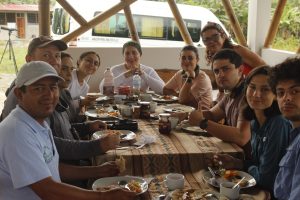
Exotic Gastronomy: Daring to try it? Jungle cuisine has unique flavors. You must try Juane (rice with chicken wrapped in a bijao leaf), Tacacho con cecina (mashed green plantain with pork rinds), and traditional drinks like chuchuhuasi or siete raíces.
🎒 4. Essential Tips for Traveling to the Jungle
-
The ideal season: The dry season (from May to October) is the best time to travel because there is less rain and the rivers allow for better travel, though the heat remains intense.
-
Mandatory vaccinations: If you are heading to low jungle areas (such as Puerto Maldonado or Iquitos), getting the yellow fever vaccine at least 10 days before traveling is highly recommended (and sometimes required).
-
The traveler’s survival kit: Insect repellent with a high percentage of DEET, sunscreen, long-sleeved cotton clothing (for tiny gnats or mosquitoes), and rubber boots (usually provided by the lodges).